




Health Information


Beyond the Finish Line: Understanding and Preventing Common Track Cycling Injuries
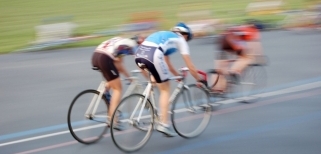
Beyond the Finish Line: Understanding and Preventing Common Track Cycling Injuries (by Sportsperformance Physiotherapy)
Track cycling athletes pursue the supreme speed that comes with unique biomechanical challenges. The fixed, aggressive riding posture, high-repetition pedalling motion, and immense lower-body power output make certain sports injuries a common occurrence among elite cyclists. Understanding the root causes of these issues is the first step toward an effective prevention strategy.
We provide an in-depth look at the three most common track cycling injuries and offer solutions from a physiotherapy perspective.
1. Cyclist's Knee — Patellofemoral Pain Syndrome (PFPS)
This is one of the most classic cycling injuries, characterised by pain around or behind the kneecap.
Causes:
- Poor Pedalling Technique: Knee valgus (inward collapse) or varus (outward splaying) during the pedal stroke, causing improper patellar tracking.
- Incorrect Saddle Position: A saddle that is too low increases knee flexion angle, while one that is too high can cause pelvic rock; both increase stress between the patella and femur.
- Muscle Imbalances: Tightness in the iliotibial (IT) band, coupled with weakness in the vastus medialis obliquus (VMO), fails to stabilise the kneecap correctly.
Physio Prevention & Management:
- Exercise Therapy: We prescribe exercises to strengthen the VMO and gluteus medius while stretching the IT band and lateral quadriceps to restore kinetic balance around the knee.
- Load Management: We advise on the gradual progression of training volume and intensity to avoid overloading the joint.
- Manual Therapy & Adjunct Modalities: To accelerate recovery, we use:
- Soft Tissue Mobilisation: To release tight quads, IT band, and lateral retinaculum.
- Joint Mobilisation: To improve ankle dorsiflexion and hip mobility, ensuring forces are distributed efficiently up the kinetic chain.
- Taping: Patellar taping (e.g., McConnell Taping) can provide short-term pain relief and improve muscle activation during the rehabilitation phase.
2. Lower Back Pain
The prolonged, flexed, and aerodynamically aggressive posture places significant stress on the lumbar spine and supporting soft tissues.
Causes:
- Weak Core Musculature: An inability to stabilise the spine during long efforts leads to excessive loading on the lumbar structures.
- Tight Hip Flexors: Tight hip flexors pull the pelvis into an anterior tilt, altering the lumbar curve and compressing discs and facet joints.
- Poor Thoracic Spine Mobility: A stiff upper back forces the cyclist to over-twist the lower back to look up or change position, leading to strain.
Physio Prevention & Management:
- Core Stabilisation Training: We guide you through advanced core exercises like "Dead Bugs" and "Bird-Dogs" to build a solid "natural back brace."
- Manual Therapy: Techniques are used to release tight hip flexors and lower back muscles, alongside joint mobilisations to improve thoracic mobility, addressing the root cause of lumbar stress.
3. Neck and Shoulder Pain
To maintain an aerodynamic tuck, cyclists must hold their head in an extended position for prolonged periods, causing constant tension in the upper trapezius and deep neck flexors.
Causes:
- Postural Fatigue: The static, extended position of the neck leads to muscle fatigue and reduced blood flow.
- Upper Body Load: Bearing weight through the arms and shoulders can compress neurovascular structures, contributing to hand numbness (e.g., Carpal Tunnel Syndrome) or shoulder/neck pain.
- Weak Scapular Stabilisers: Weakness in the serratus anterior and lower trapezius muscles fails to stabilise the shoulder blades effectively during riding.
Physio Prevention & Management:
- Postural Adjustment: Teaching you how to make micro-adjustments to your head and neck position to reduce strain while maintaining an aero profile.
- Shoulder Girdle Strengthening: Prescribing exercises like "Wall Angels" to strengthen the scapular stabilisers and combat rounded shoulders.
- Therapeutic Massage & Dry Needling: Releasing tension in the often rock-hard upper trapezius and associated fascia to effectively alleviate pain.
From Reactive Treatment to Proactive Prevention
In a sport where a hundredth of a second counts, any minor discomfort can impact power output and race results. Instead of waiting for an injury to occur, proactive preventive training and posture correction are key.
If you experience any sport-related injuries or seek a professional physical assessment and personalised training advice, you should make an appointment to seek advice from a professional physiotherapist or medical expert to obtain a proper diagnosis and appropriate treatment.
Further reading: