




Health Information


Track Cycling: Warm-up Guide for Injury Prevention & Peak Performance

Track Cycling: Warm-up Guide for Injury Prevention & Peak Performance (by Sportsperformance Physiotherapy)
On the velodrome, the battle for speed is not just won by powerful legs, but by core strength, joint stability, and full-body coordination. The fixed, aggressive riding position and high-cadence power output of track cycling place repetitive stress on specific areas, leading to common sports injuries like lower back pain, knee pain (patellofemoral pain syndrome), and neck and shoulder discomfort from the prolonged flexed posture.
A specialised dynamic warm-up that targets the cycling posture is crucial for activating key muscle groups, preventing injuries, and priming your body for explosive starts in the sprint or endurance in the team pursuit. The following are specific warm-up protocols for track cyclists.
Why Track Cyclists Need a "Dynamic Warm-up"?
Static stretching won't prepare you for high-power output. The goal is to activate the glutes for drive, mobilise the spine for the aerodynamic tuck, and wake up the core to transfer force efficiently to the pedals. A dynamic warm-up achieves these goals precisely.
Track Cycling-Specific Dynamic Warm-up Protocol
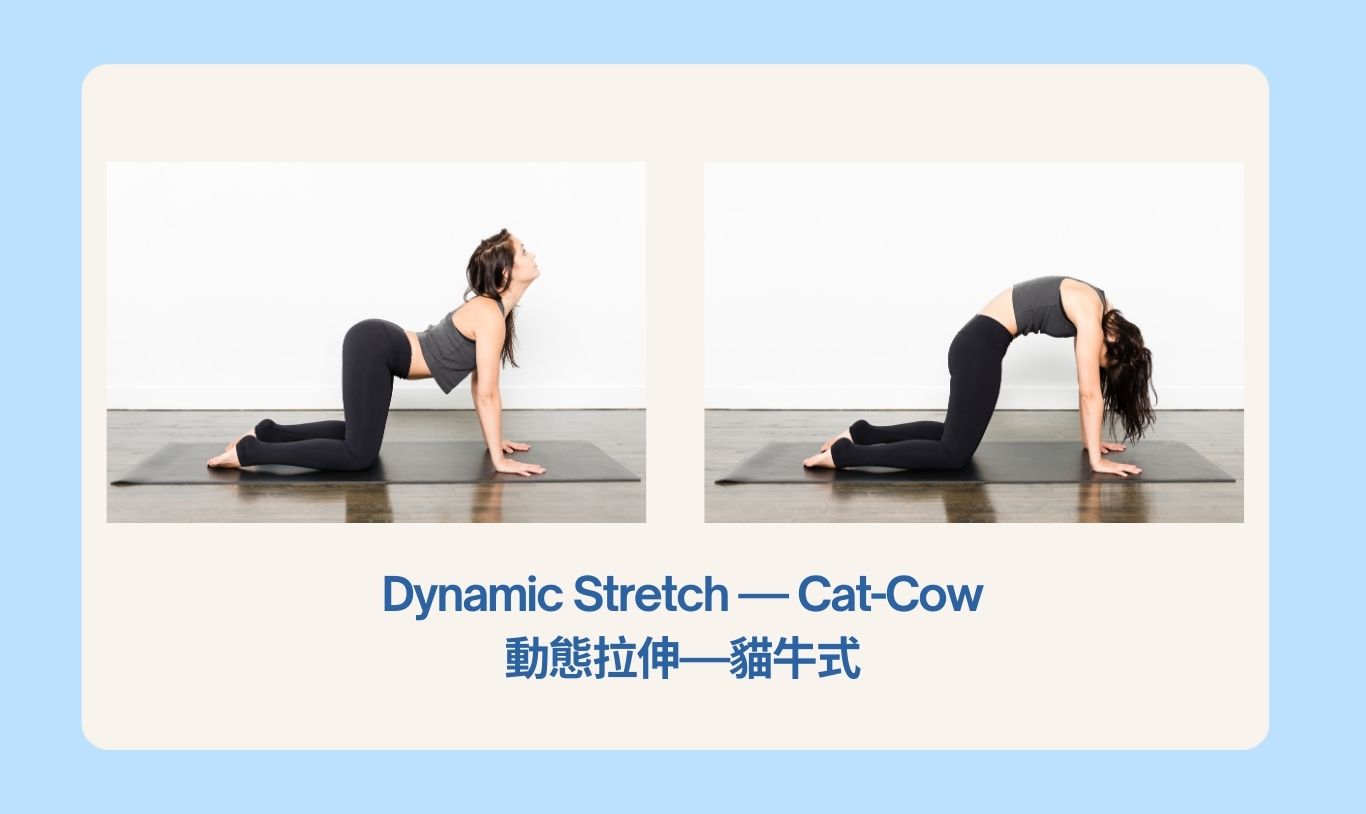
1. Dynamic Stretch — Cat-Cow:
- Purpose: To dynamically warm up the entire spine, particularly the lower back and thoracic region, preventing stiffness and pain from the sustained flexed riding position.
- How-to: On all fours, inhale as you drop your belly, arching your spine (Cow). Exhale as you round your spine towards the ceiling, tucking your chin (Cat). Flow smoothly for 10-15 reps, focusing on articulating the entire spine.
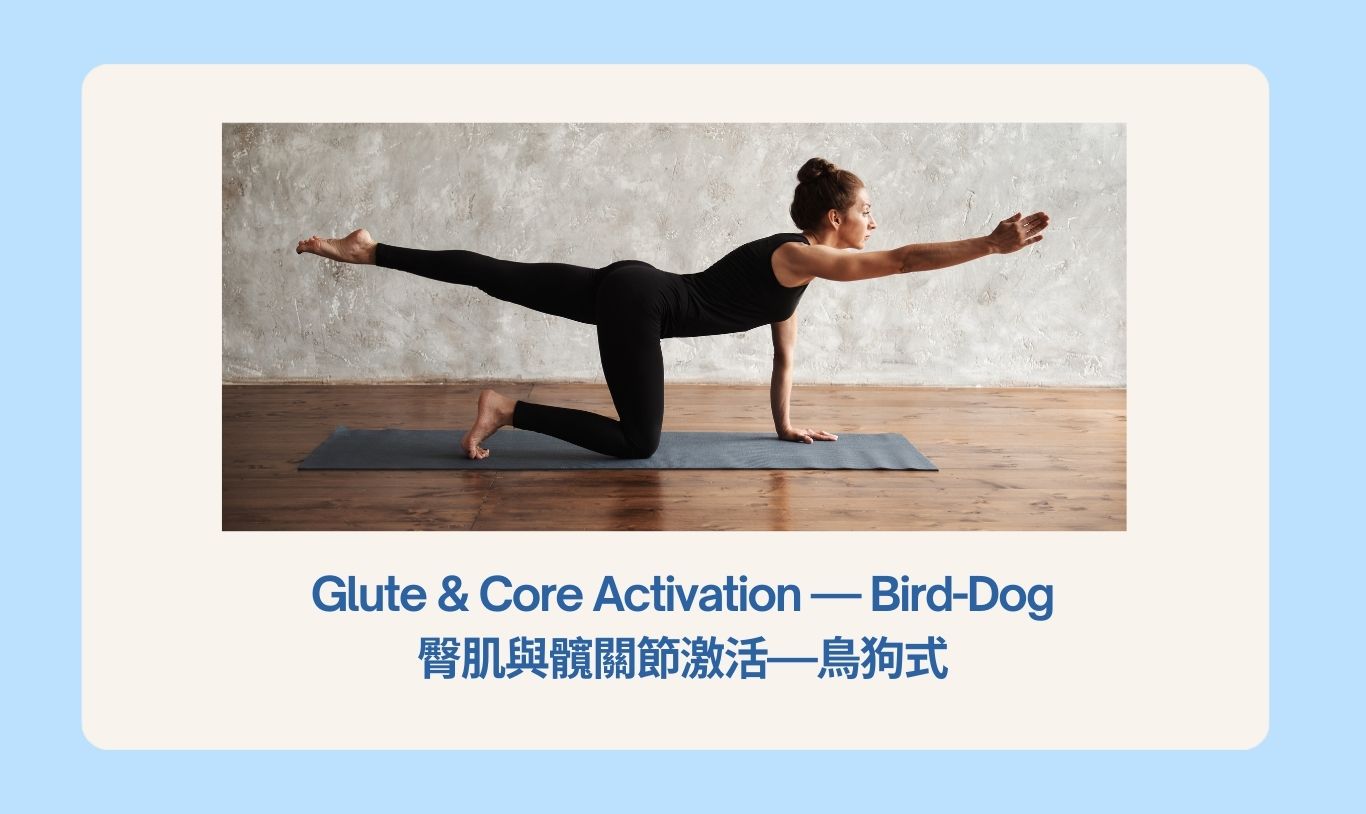
2. Glute & Core Activation — Bird-Dog:
- Purpose: To precisely activate the gluteus maximus and deep core stabilisers—the primary engine for power—and improve pelvic stability on the saddle.
- How-to: On all fours, slowly extend your right arm forward and left leg backwards, keeping your core tight and body parallel to the floor. Return to the centre and alternate sides. Perform 8-10 controlled reps per side, prioritising stability over speed.
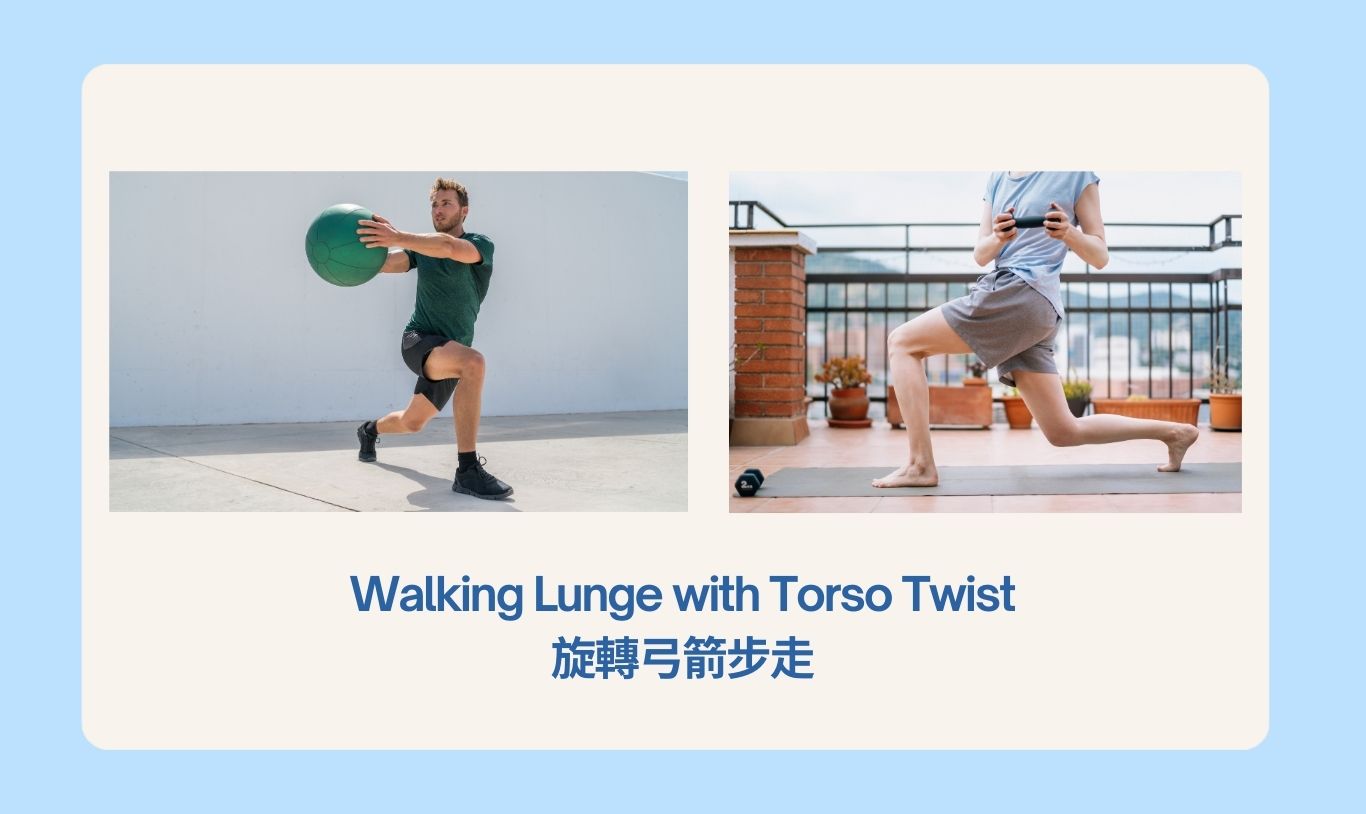
3. Lower Body Warm-up — Walking Lunge with Torso Twist:
- Purpose: To warm up the quads, glutes, and hip flexors while integrating torso rotation, mimicking the upper body movement during riding and preventing knee and hip strain.
- How-to: Step forward into a lunge. At the bottom of the lunge, while keeping your pelvis stable, rotate your torso toward your front leg. Return to the centre and step up. Continue walking forward, 8-10 reps per side.
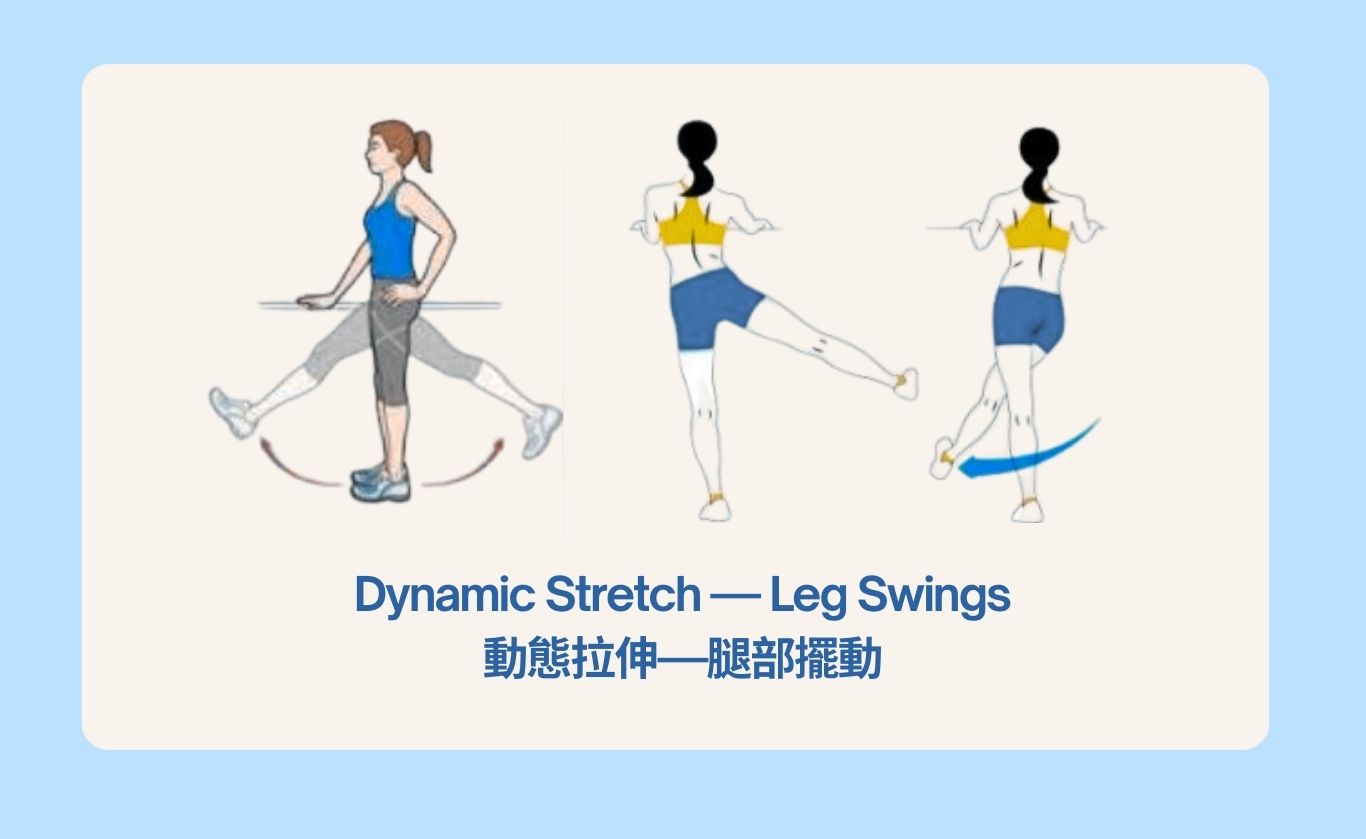
4. Dynamic Stretch — Leg Swings:
- Purpose: To increase hip mobility in both the sagittal (forward/back) and frontal (side-to-side) planes, ensuring a smooth, circular pedal stroke and reducing joint stress.
- How-to: Hold onto a wall or barrier for support. Swing one leg forward and backwards (10-12 reps), then swing the same leg across your body from side to side (10-12 reps). Keep the movements controlled and fluid.
Integrating this specific warm-up into your routine provides a solid foundation for your track cycling journey.
If you are suffering from back or knee injuries, experiencing any sport-related injuries or need to restore optimal physical health, you should make an appointment to seek advice from a professional physiotherapist or medical expert to obtain a proper diagnosis and appropriate treatment.
Further reading: